

Menstrual Cup Hard to Remove? Here's Why and What You Can Do

Menstrual cups are designed to stay securely in place, but what happens when yours feels a little too secure?
If your menstrual cup is hard to remove, won't release its seal, or seems stuck, you're not alone. Even experienced menstrual cup users can encounter removal difficulties, especially when switching to a different brand or cup design.
The good news is that a difficult-to-remove cup doesn't necessarily mean menstrual cups aren't right for you. Understanding what causes removal problems can help you find a better technique and potentially a better-fitting cup.
How to Remove a Menstrual Cup That's Stuck
First, don't panic. Your menstrual cup cannot travel beyond your cervix and disappear into your body.
If you're having trouble removing it, try these steps:
-
Wash your hands and relax your pelvic floor. Tensing your muscles can make it harder to reach and manipulate the cup. Try sitting on the toilet or squatting comfortably.
-
Gently bear down. Using your pelvic floor muscles as though you're having a bowel movement can help bring the cup within reach. Avoid forceful straining.
-
Reach for the base of the cup. Most instructions recommend using your thumb and index finger. However, you may find your index and middle fingers easier to use. These fingers naturally sit close together, making it possible to reach farther into the vaginal canal and pinch the cup's base.
-
Pinch the bottom of the cup. Compressing the base can help release the seal. Maintain gentle pressure as you begin removing the cup.
-
If pinching doesn't work, try reaching alongside the cup. Slide a clean finger along the cup's side and gently press inward near the rim to release the seal.
-
Remove the cup slowly. Once the seal has released, gently move the cup downward, keeping it upright as much as possible to avoid spills.
Never forcefully pull a menstrual cup out while the seal remains intact. Pulling on the stem or handle alone can cause pain and discomfort.
If removal remains difficult, take a short break and try again. If you're unable to remove the cup, or experience significant pain, seek medical assistance rather than continuing to pull. Seek prompt medical care for severe pain, heavy bleeding, fever, or feeling faint.
Why Is My Menstrual Cup So Hard to Remove?
Several factors can make menstrual cup removal more challenging.
1. The Seal Won't Break
A menstrual cup forms a seal against the vaginal walls to help prevent leaks.
Normally, pinching the base changes the cup's shape enough to release that seal. However, this doesn't always happen.
Some cups compress easily at the bottom while the upper portion and rim remain sufficiently open to maintain the seal.
This can create a frustrating situation: you're squeezing the cup, but it still feels firmly attached.
In these situations, pressing the side of the cup closer to the rim may be more effective than repeatedly squeezing the bottom.
2. Your Cup Is Difficult to Reach
Your cervix can change position throughout your menstrual cycle. A cup that was easy to reach yesterday may sit higher today.
Cup length also matters. A shorter cup may be comfortable during wear but difficult to reach if you have a high cervix.
If you regularly struggle to reach your cup, consider whether a longer cup body or a different handle style might make removal easier.
Remember, a handle helps you locate and grip the cup. It should not be used to pull the cup out before releasing the seal.
3. Your Cup's Diameter May Affect Removal
It's tempting to assume that a smaller menstrual cup will always be easier to remove.
That's not necessarily true.
Cup diameter affects how the cup fits against the vaginal walls and around the cervix.
If your cervix extends into the cup, the rim may form a seal around it. A smaller diameter doesn't automatically prevent this and may sometimes contribute to an uncomfortable fit.
This is one reason we recommend considering diameter, cervix position, and cup shape together rather than automatically choosing the smallest available cup.
4. Cup Material and Firmness Can Make a Difference
Not all menstrual cups respond to pressure in the same way.
Most menstrual cups are made from silicone, while MeLuna cups are made from medical-grade thermoplastic elastomer, or TPE.
Both materials are flexible, but their physical characteristics differ.
MeLuna TPE cups can adapt to body temperature and conform to the body's contours during wear. Their response to squeezing may also differ from that of silicone cups.
In our experience, MeLuna Classic cups tend to open more gently than our firmer Sport cups. Pinching the bottom of a Classic cup generally compresses more of the cup body, helping release the seal.
MeLuna Sport cups are designed to resist compression more strongly. That can be helpful for people whose pelvic floor muscles compress their cups during wear, but the firmer structure may also make the seal more challenging to release.
Material and firmness are only part of the picture. Cup diameter, rim design, positioning, and individual anatomy also influence removal.
My Personal Experience With a Difficult-to-Remove Saalt Cup
As the owner of MeLuna USA, I've used TPE menstrual cups for years. I'm very familiar with menstrual cup insertion, removal, and the importance of breaking the seal before pulling a cup out.
That's why I was so surprised when I tried a regular Saalt Cup.
I found it extremely difficult to remove. The cup was flexible enough that I could squeeze the body, but squeezing didn't seem to release the seal. It felt firmly attached, and I struggled to get it out.
Eventually, I resorted to pulling it out despite the resistance. It was such an unpleasant experience that I never tried that cup again.
I wouldn't recommend removing a cup that way. The experience reinforced for me how important it is to find a cup that you can comfortably manipulate and remove.
This was my personal experience with one regular Saalt Cup. It doesn't mean everyone will have the same experience, and it isn't a claim about all Saalt products.
But it taught me something worth sharing: a flexible menstrual cup isn't necessarily an easy-to-remove menstrual cup.
Why did I try a Saalt Cup in the first place?
At MeLuna USA, we keep a collection of menstrual cup brands on hand so we can compare their sizes, shapes, and features when customers ask questions. But we don't stop at measuring them. We also try the cups ourselves to better understand what using them actually feels like. Sometimes that means discovering firsthand why a particular cup might not work for everyone. It's not always the most comfortable research, but hey, we do it for science! 😉
Why Doesn't Pinching the Bottom Always Break the Seal?
When you pinch a menstrual cup, the goal isn't simply to make the bottom narrower.
You need to change the shape of the cup enough to allow air past the rim and release the seal.
Depending on the cup's design and material, squeezing the base may or may not sufficiently affect the upper portion.
If you can comfortably reach the base but the cup still won't release, try pressing a finger along the side of the cup toward the rim.
Once the seal releases, the cup should move more comfortably.
If you repeatedly experience this problem with the same cup, it may be worth considering a different design.
Could a Different Menstrual Cup Be Easier to Remove?
Possibly. But the solution depends on what's making removal difficult.
Consider the Cup's Material
If you've struggled with a silicone menstrual cup, a TPE cup may be worth exploring.
MeLuna's TPE material has different physical characteristics from silicone. Many users appreciate how MeLuna cups respond to body temperature and pressure.
However, no material guarantees easier removal for everyone.
Consider Classic Rather Than Sport Firmness
If your primary concern is difficulty releasing the seal, MeLuna Classic would generally be our starting recommendation.
Classic cups are more flexible than MeLuna Sport cups and typically respond more readily to pinching at the base.
Sport cups are intended for people who need greater resistance to compression. They're not automatically the best choice for someone who has trouble removing a cup.
Don't Automatically Choose a Smaller Diameter
A smaller cup may sound easier to remove, but diameter needs to be appropriate for your anatomy.
If a cup forms an uncomfortable seal around your cervix, simply reducing the diameter may not solve the problem.
MeLuna offers four diameters, allowing you to consider fit and seal quality together.
Choose a Handle That Works for You
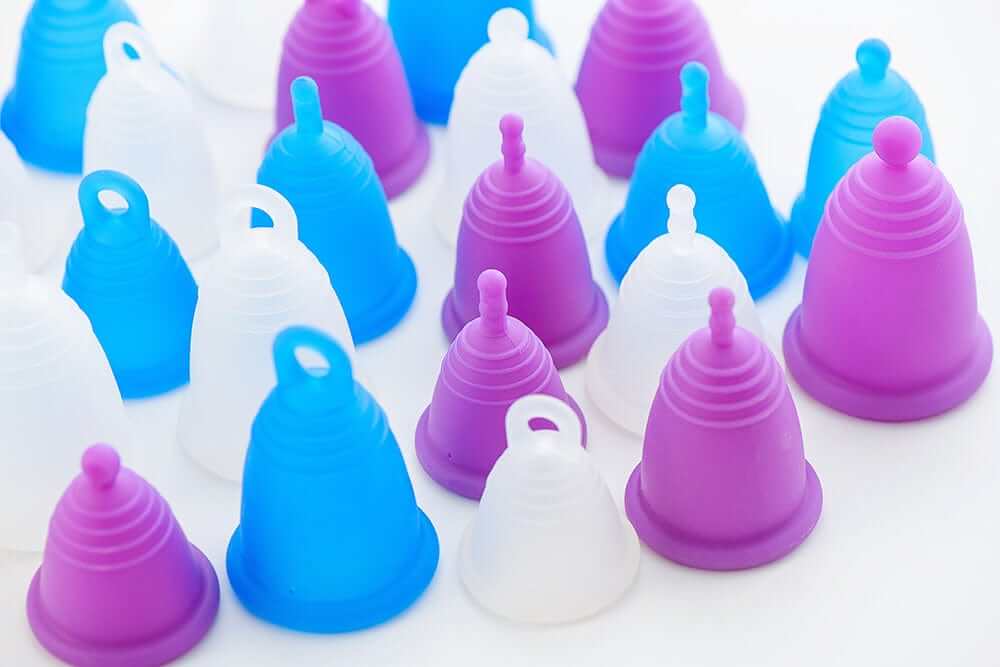
MeLuna offers three handle styles:
-
Ring: Easier to locate and grip for many users.
-
Stem: Provides additional reach and can be trimmed if necessary.
-
Ball: A compact option for those who prefer a minimal handle.
Remember that handles assist with locating and controlling the cup. You still need to release the seal before removal.
How to Find a Menstrual Cup That Fits Better
If you're considering switching menstrual cup brands, start by identifying exactly what isn't working with your current cup.
Is it too difficult to reach? Does the seal refuse to release? Does the cup feel uncomfortable? Or do you experience leaks?
Different problems may call for different solutions.
Our Menstrual Cup Brand Comparison Guide includes side-by-side photographs, measurements, and information about switching from over a dozen of the most popular US-distributed brands such as Saalt, Diva and Flex.
You can also take our Menstrual Cup Quiz to explore MeLuna sizes, lengths, firmness levels, and handles.
If you'd prefer individual guidance, request a personal menstrual cup recommendation. Tell us about your current cup and the problems you've experienced so we can help you consider your options.
Frequently Asked Questions
Can a menstrual cup get stuck inside me?
A menstrual cup can become difficult to reach or remove, but it cannot travel beyond your cervix into your uterus. If you cannot remove it using gentle techniques, a healthcare professional can help.
Why does my menstrual cup hurt when I pull it out?
Pain during removal may occur if the seal hasn't been released. Stop pulling, pinch the base, or gently press alongside the cup to release the seal before continuing. Persistent pain should be evaluated by a healthcare professional.
Is a softer menstrual cup easier to remove?
Not necessarily. A flexible cup may be easy to compress at the base while still maintaining a seal at the rim. Shape, material, diameter, and individual anatomy all matter.
Will a smaller menstrual cup be easier to remove?
Not always. A smaller cup can still form a strong seal, including around the cervix. Diameter should be chosen based on fit rather than removal concerns alone.
Can I pull my menstrual cup out by the stem or ring?
The handle can help you locate and stabilize the cup, but you should release the seal before pulling it out. Don't use the handle alone to remove a cup against resistance.
The Bottom Line
A menstrual cup should feel secure during wear without becoming a struggle to remove.
If your cup is consistently difficult to remove, the problem may involve its shape, diameter, material, firmness, or how it fits your anatomy.
Learning the right removal technique is important, but you don't necessarily have to keep struggling with a cup that isn't working for you.
With the right fit and a design you can comfortably manage, menstrual cup removal can become a much easier part of your routine.





Dejar un comentario